

Our Approach
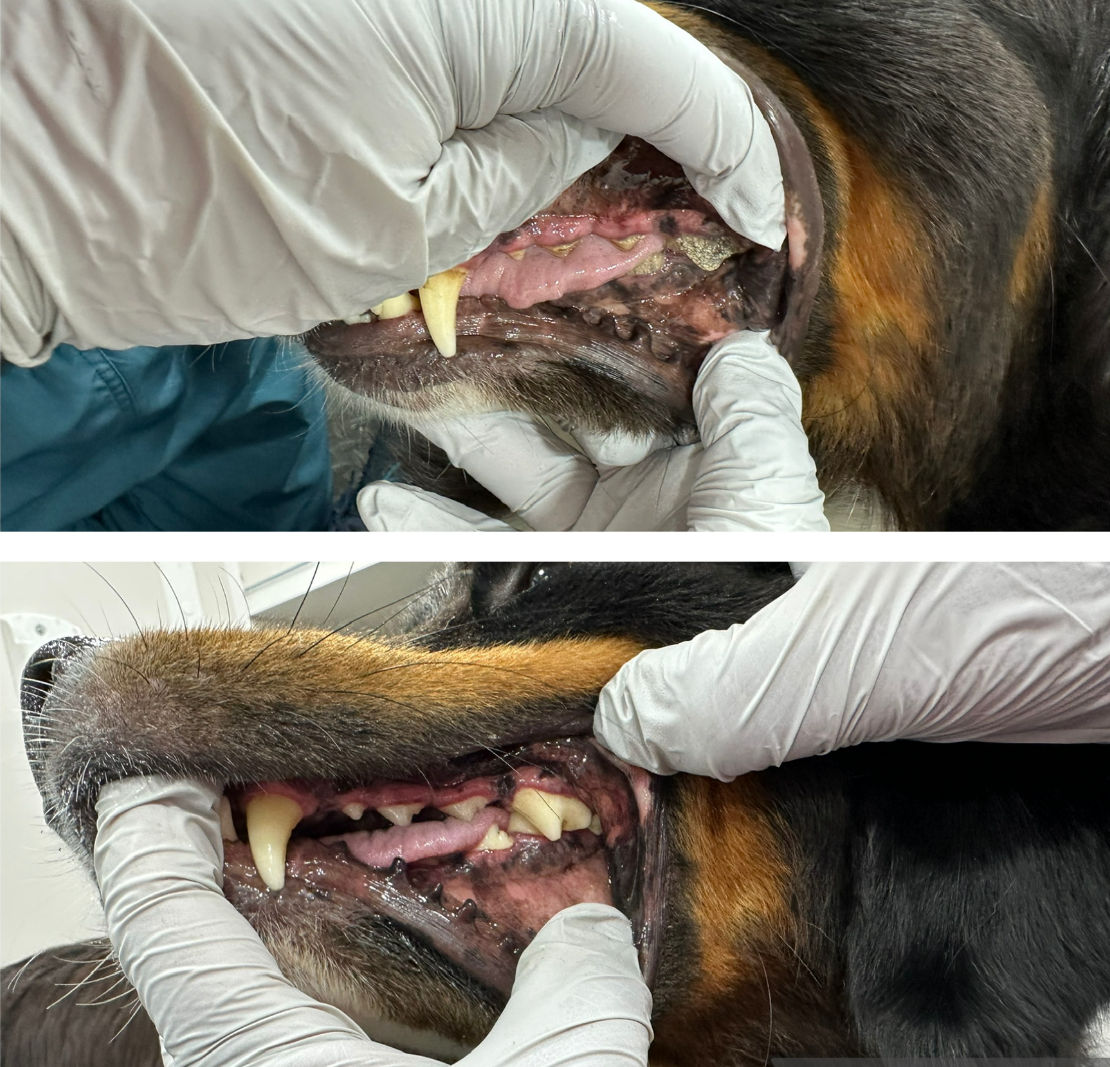
Our cleaning process is gentle, calm, and pet friendly, focusing on the energy and connection between the technician and the pet. No force is used at any time. Each session is performed at the pet’s pace, allowing the pet to feel safe and comfortable throughout the procedure.
This approach is suitable for young pets as part of preventive care, as well as senior pets or those who are not ideal candidates for anesthesia.
What the Service Includes
- Oral evaluation
- Gentle removal of plaque and tartar
- Dental polishing
- Application of dental gel
- Aftercare recommendations for pet owners
Key Benefits
- No anesthesia
- Safe and minimally invasive
- Compassionate and respectful handling
- Ideal for young pets as a preventive measure to help reduce plaque buildup
- Beneficial for senior pets, especially those with age related or underlying health considerations
- Helps reduce the likelihood of needing dental procedures under anesthesia in the future
Important Note
This service is preventive and maintenance based and does not replace veterinary dental procedures that require anesthesia, such as extractions or advanced dental treatments.
Upcoming Dental Dates
Click a location below to view the 2026 dates:
| Month | Day | Date |
|---|---|---|
| January | Friday | 9 |
| February | Friday | 6 |
| March | Friday | 6 |
| April | Friday | 3 |
| May | Friday | 1 |
| June | Friday | 5 |
| July | Friday | 10 |
| August | Friday | 7 |
| September | Friday | 11 |
| October | Friday | 2 |
| November | Friday | 6 |
| December | Friday | 4 |
| Month | Day | Date |
|---|---|---|
| January | Monday | 12 |
| February | Monday | 9 |
| March | Tuesday | 3 |
| April | Monday | 6 |
| May | Monday | 4 |
| June | Tuesday | 2 |
| July | Monday | 13 |
| August | Saturday | 8 |
| September | Monday | 14 |
| October | Tuesday | 6 |
| November | Monday | 2 |
| December | Sunday | 6 |
| Month | Day | Date |
|---|---|---|
| January | Wednesday | 14 |
| February | Wednesday | 4 |
| March | Wednesday | 4 |
| April | Wednesday | 1 |
| May | Wednesday | 6 |
| June | Wednesday | 3 |
| July | Wednesday | 1 |
| August | Wednesday | 5 |
| September | Wednesday | 9 |
| October | Wednesday | 7 |
| November | Wednesday | 4 |
| December | Wednesday | 2 |
| Month | Day | Date |
|---|---|---|
| January | Tuesday | 6 |
| February | Tuesday | 10 |
| March | Sunday | 15 |
| April | Thursday | 9 |
| May | Thursday | 7 |
| June | Wednesday | 10 |
| July | Tuesday | 14 |
| August | Monday | 10 |
| September | Monday | 7 |
| October | Thursday | 8 |
| November | Sunday | 8 |
| December | Monday | 14 |
| Month | Day | Date |
|---|---|---|
| March | Sunday | 15 |
| April | Thursday | 9 |
| May | Thursday | 7 |
| June | Wednesday | 10 |
| July | Tuesday | 14 |
| August | Monday | 10 |
| September | Monday | 7 |
| October | Friday | 9 |
| November | Sunday | 8 |
| December | Monday | 14 |
.png)

Cavity Fillings
A cavity will appear as a dark brown to black discoloration on the pet's tooth surface. Tooth staining secondary to wear can look like this as well, although this tends to be lighter in color. If you see dark staining on your pet’s teeth, or if your veterinarian has diagnosed a “cavity”, an exam and consultation by one of our veterinarian dentists is very important. We can determine if it is truly a cavity and recommend the appropriate and best treatment for your pet. The veterinarian will start by taking a dental radiograph to determine if the tooth is endodontically involved. If this were the case, then root canal therapy is necessary prior to do the restorative procedure (filling). If the tooth appears vital, the veterinarian prepares the tooth for the filling which is done with a dental drill (like in humans). This is done by first outlining the edges of the future restorative, and then removing all the diseased tooth structure. The veterinary dentist will then place the filling. Currently, we are using only non-toxic resin-based composite (white) fillings.